Stories of Southeast Asian Refugees on 19 February 2026 at Chulalongkorn
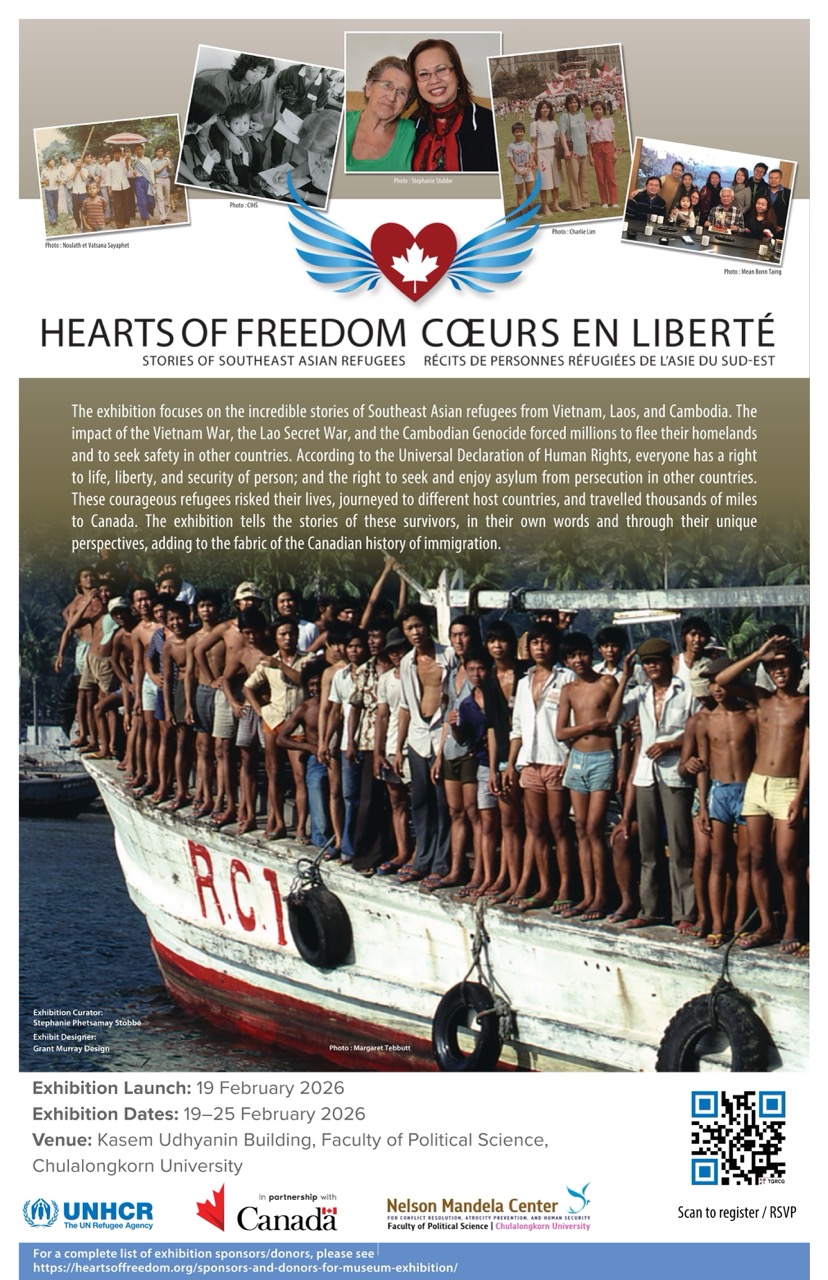
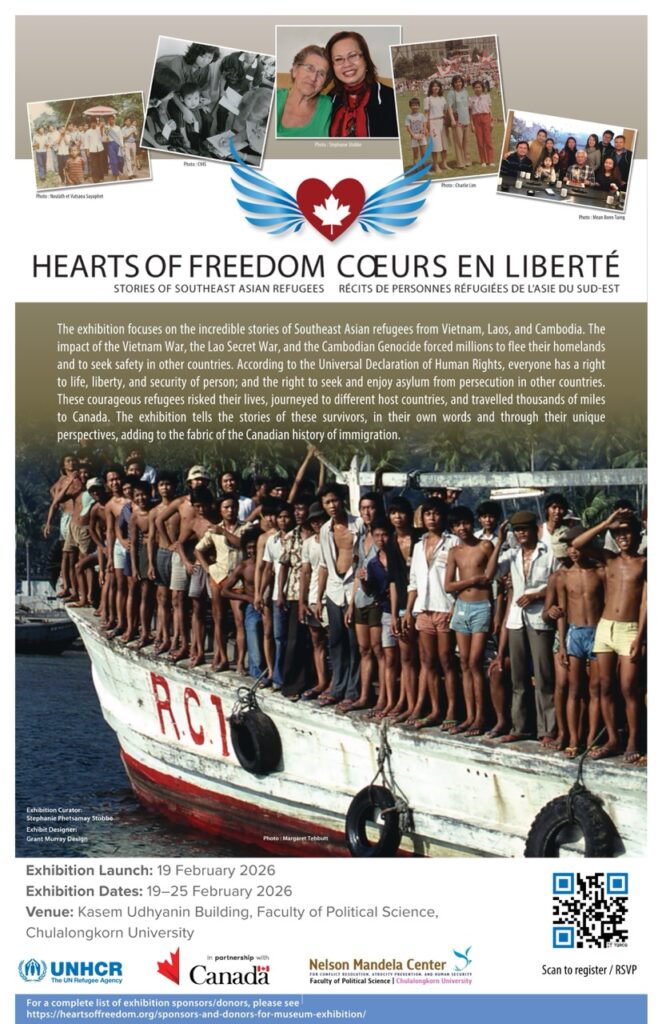
UNHCR Multi-Country Office Thailand, in partnership with the Embassy of Canada to Thailand and Chulalongkorn University, invites you to the launch of Hearts of Freedom: Stories of Southeast Asian Refugees on 19 February 2026 at Chulalongkorn University.
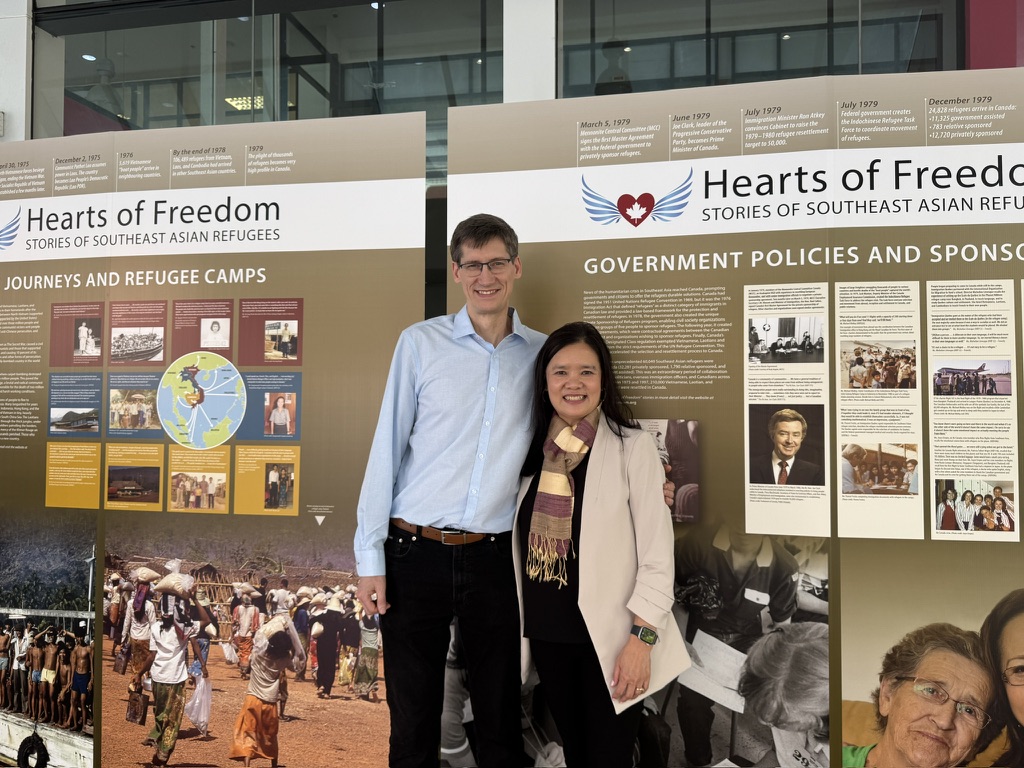
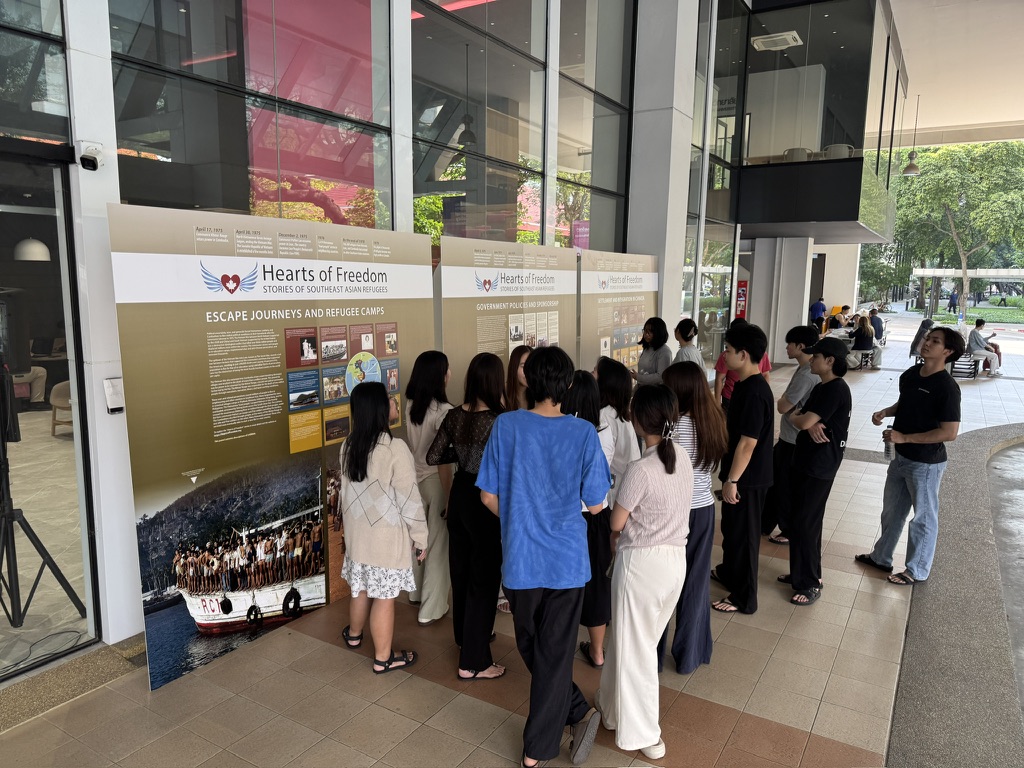
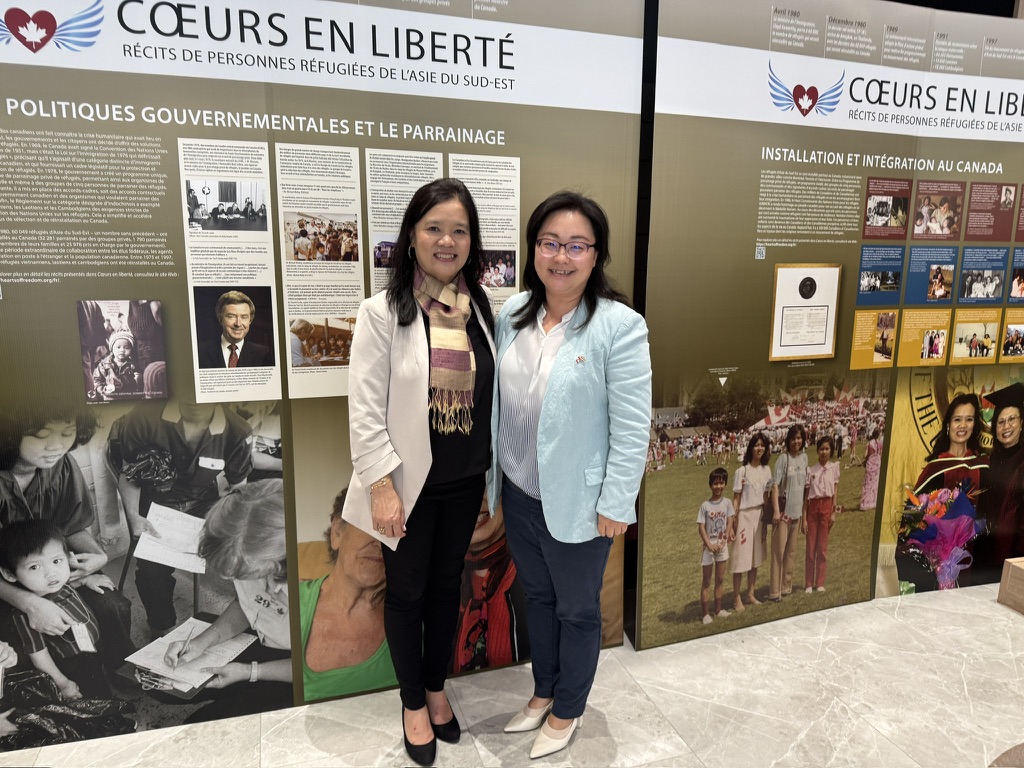
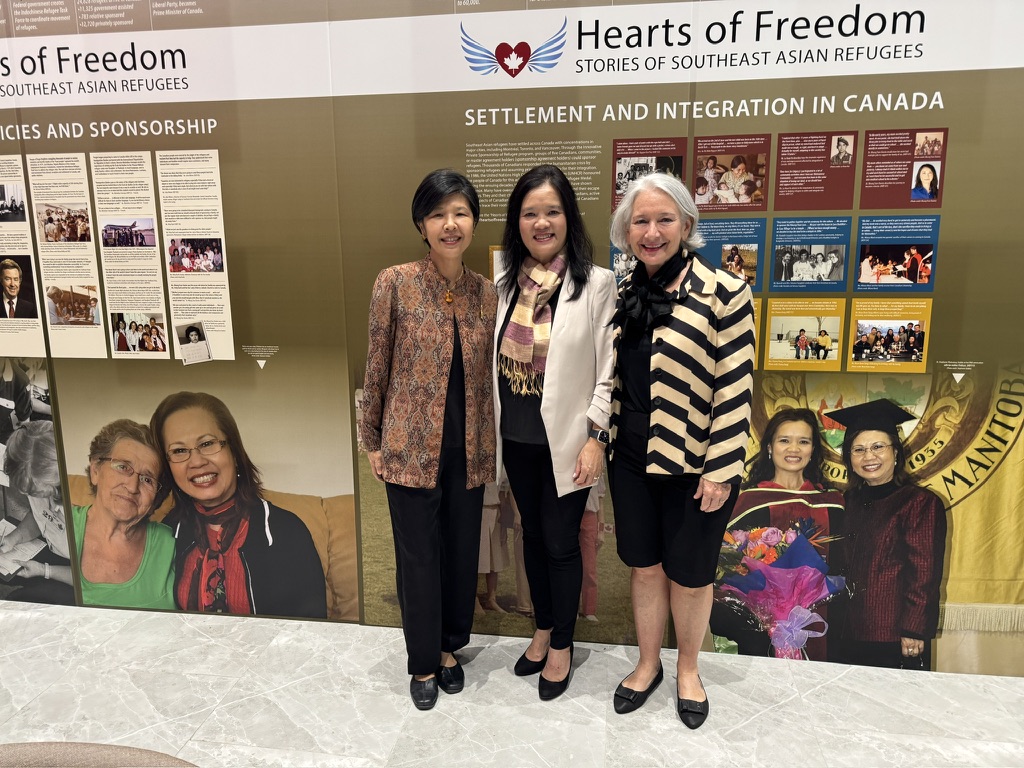
Curated by Professor Stephanie Phetsamay Stobbe, Hearts of Freedom – Stories of Southeast Asian Refugees exhibition focuses on the powerful stories of Southeast Asian refugees from Vietnam, Laos, and Cambodia. Decades of conflict and persecution displaced millions of people who sought safety in other countries. These refugees undertook long and often dangerous journeys to different host countries, including Canada. The exhibition shares their stories in their own words and perspectives, contributing to Canada’s history of refugee resettlement.
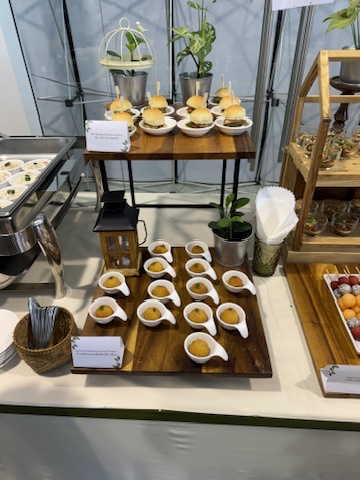
The launch event will feature opening remarks, a curator-led exhibition walkthrough, a book presentation, a reception, and a documentary screening with discussion.
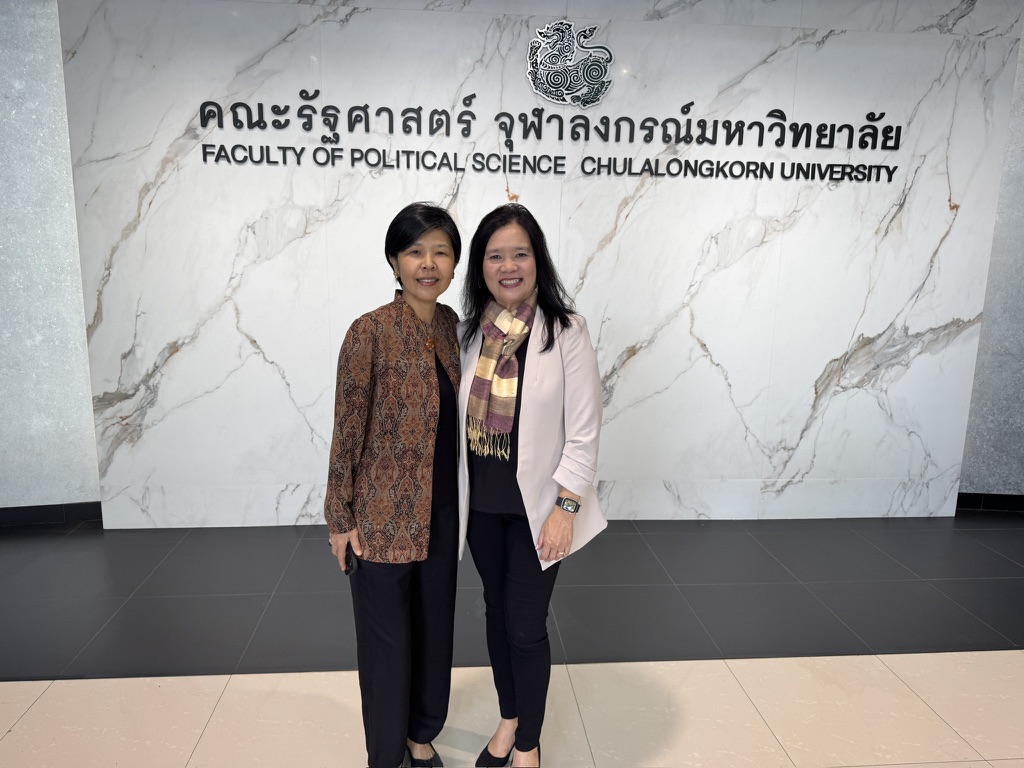
 Singhdam Space,1st Floor, Kasem Udhyanin Building (Building 3), Faculty of Political Science, Chulalongkorn University. Bangkok
 Exhibition on display 19–25 February 2026
 Full programme details and registration here: https://www.facebook.com/share/1a9W2niMns/
สำนักงานข้าหลวงใหญ่ผู้ลี้ภัยแห่งสหประชาชาติ ประจำประเทศไทย (UNHCR) ร่วมกับสถานเอกอัครราชทูตแคนาดา ประจำประเทศไทย และจุฬาลงกรณ์มหาวิทยาลัย ขอเชิญท่านเข้าร่วมพิธีเปิดนิทรรศการ Hearts of Freedom: Stories of Southeast Asian Refugees ในวันที่ 19 กุมภาพันธ์ 2026 ณ จุฬาลงกรณ์มหาวิทยาลัย
นิทรรศการนี้คัดสรรและดูแลโดยศาสตราจารย์ สเตฟานี เพชรมาย สต็อบบ์ (Professor Stephanie Phetsamay Stobbe) โดยมุ่งถ่ายทอดเรื่องราวอันทรงพลังของผู้ลี้ภัยจากประเทศเวียดนาม ลาว และกัมพูชา ผลกระทบจากสงครามเวียดนาม หลายทศวรรษแห่งความขัดแย้งและการประหัตประหาร ทำให้ผู้คนหลายล้านคนต้องพลัดถิ่นและแสวงหาความปลอดภัยในประเทศอื่น ๆ ผู้ลี้ภัยเหล่านี้ต้องเดินทางเป็นระยะทางไกลและมักเผชิญกับอันตราย เพื่อไปยังประเทศผู้รับรองต่าง ๆ รวมถึงประเทศแคนาดา นิทรรศการนี้ถ่ายทอดเรื่องราวของพวกเขาผ่านถ้อยคำและมุมมองของผู้ลี้ภัยเอง และมีส่วนช่วยสะท้อนประวัติศาสตร์ของแคนาดาด้านการตั้งถิ่นฐานใหม่ของผู้ลี้ภัย
กิจกรรมเปิดนิทรรศการจะประกอบด้วย การกล่าวเปิดงาน การนำชมนิทรรศการโดยภัณฑารักษ์ การนำเสนอหนังสือ งานเลี้ยงรับรอง และการฉายภาพยนตร์สารคดีพร้อมการเสวนา
Singhdam Space ชั้น 1 อาคารเกษม อุทยานิน (อาคาร 3) คณะรัฐศาสตร์ จุฬาลงกรณ์มหาวิทยาลัย กรุงเทพฯ
ระยะเวลาจัดแสดงนิทรรศการ: 19–25 กุมภาพันธ์ 2026
ดูรายละเอียดกำหนดการทั้งหมดและลงทะเบียนได้ที่: https://www.facebook.com/share/1a9W2niMns/
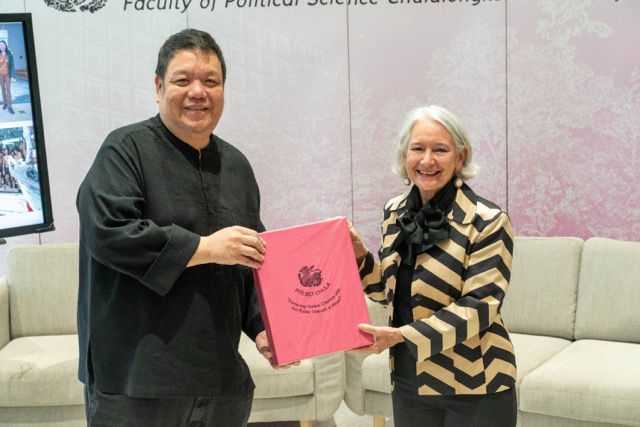
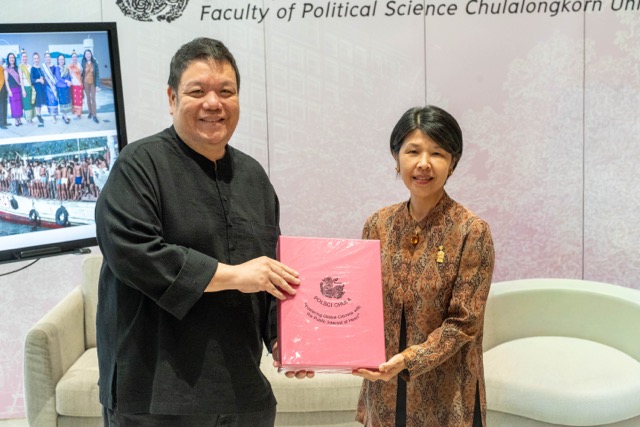
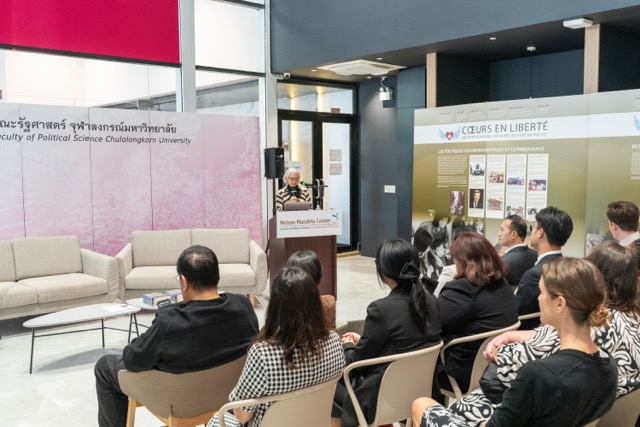
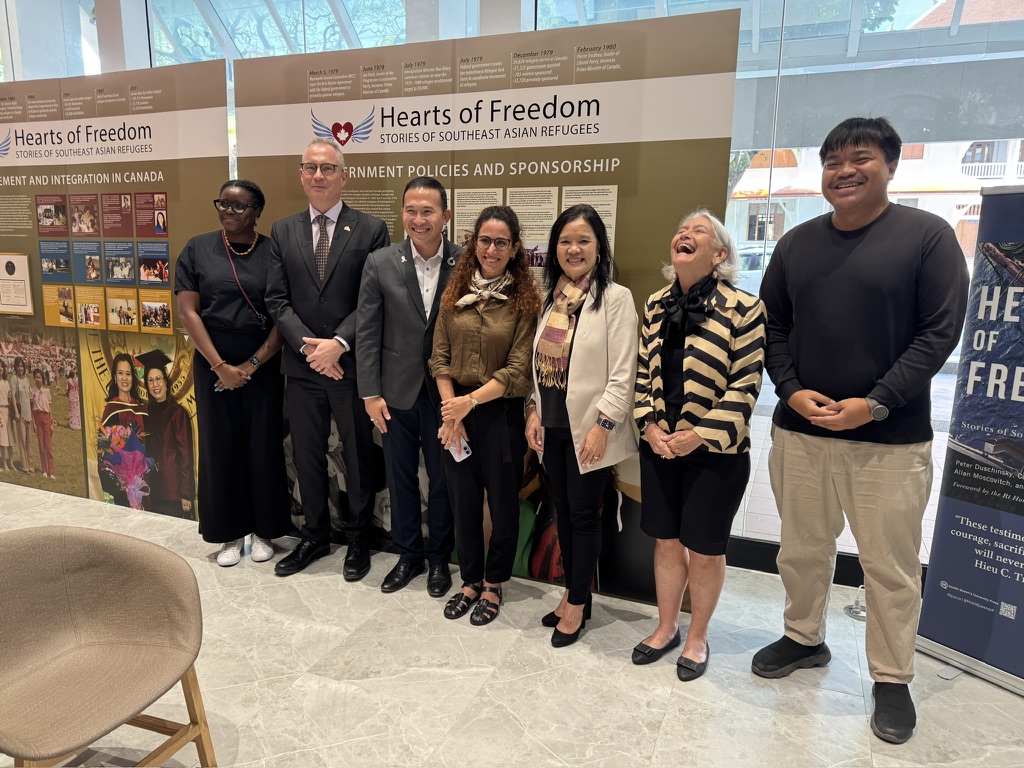
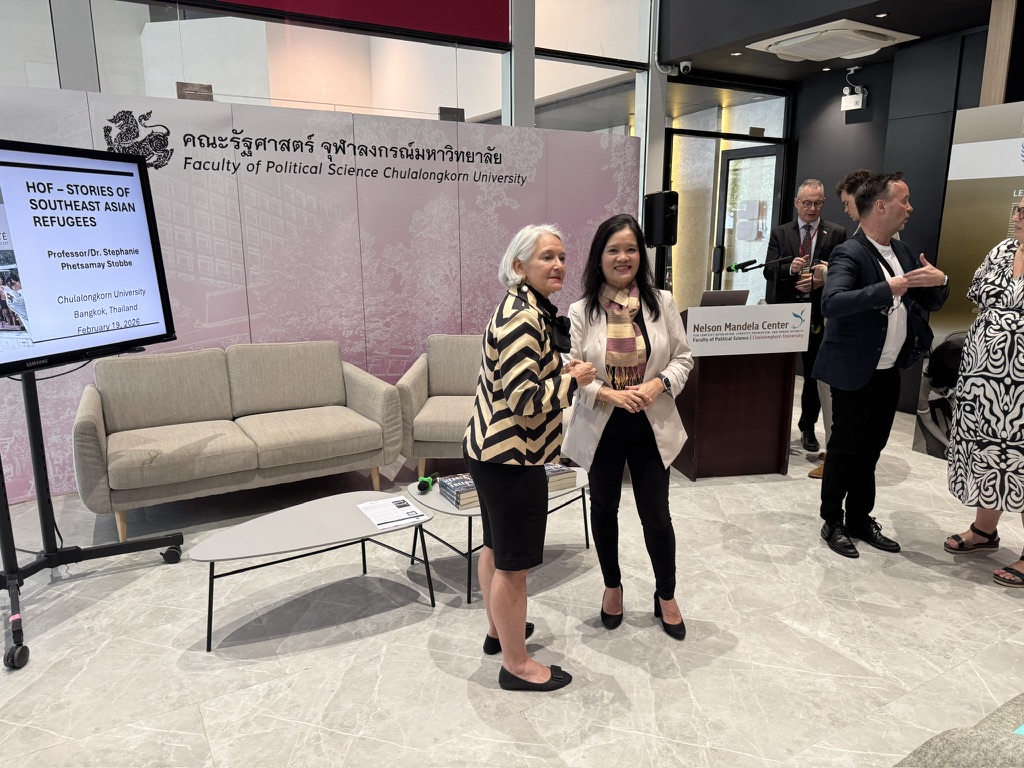
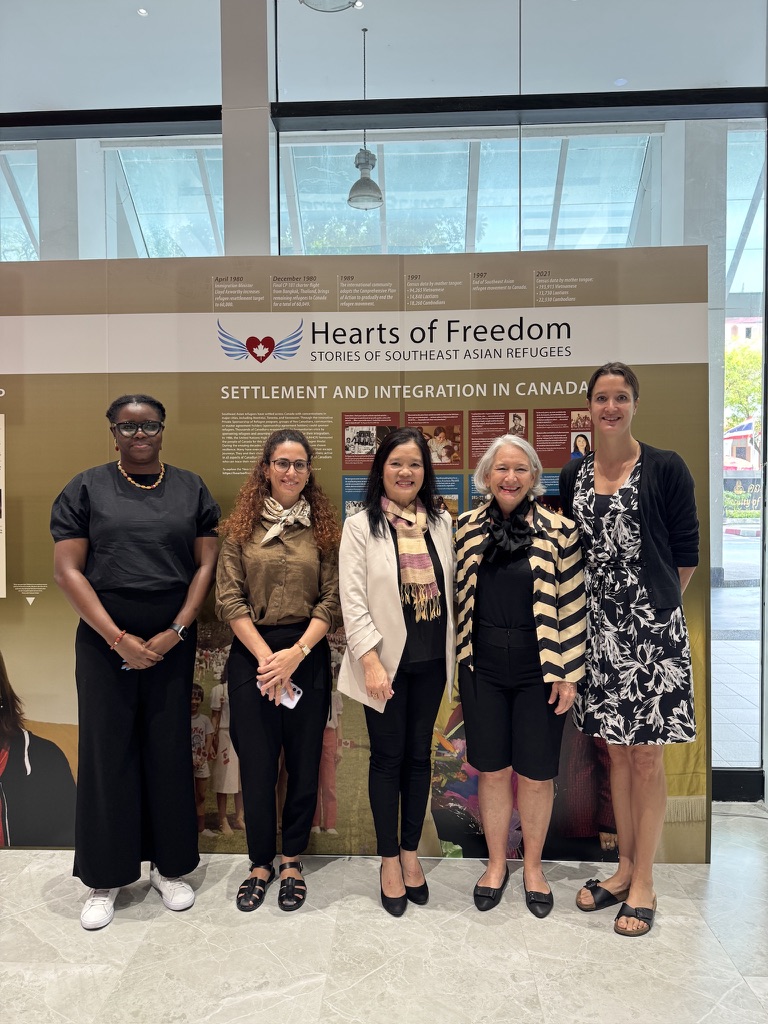
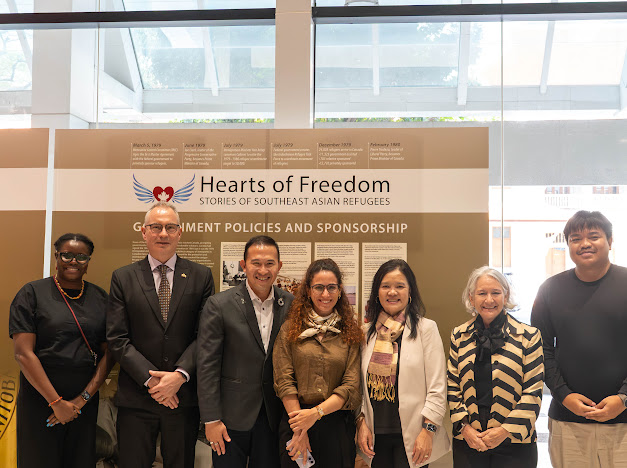
The opening of the Hearts of Freedom: Stories of Southeast Asian Refugees exhibition events in Bangkok went extremely well. It was co-sponsored by the Embassy of Canada to Thailand, the UNHCR, and Chulalongkorn Univeristy’s Political Science/Nelson Mandela Centre. Air Canada sponsored the flights.
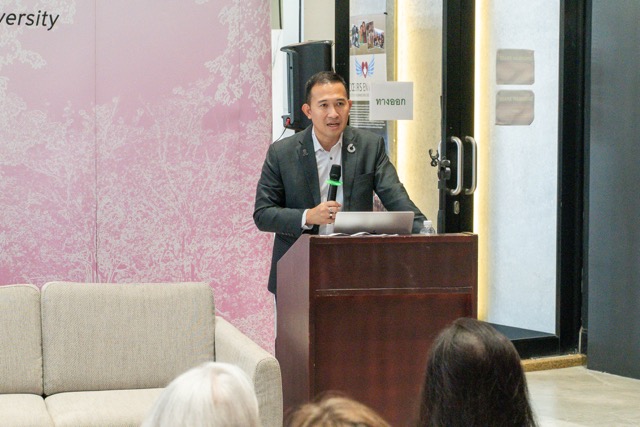
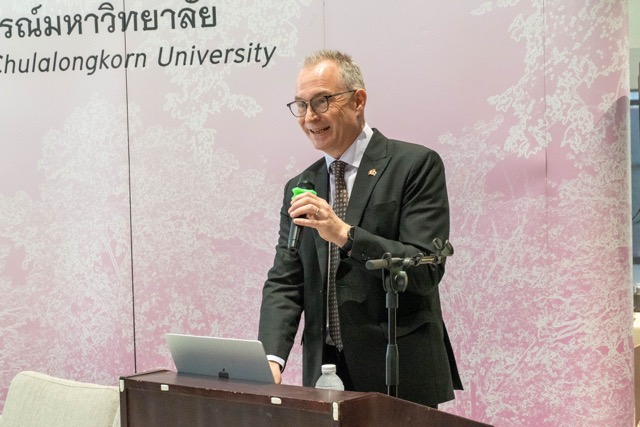
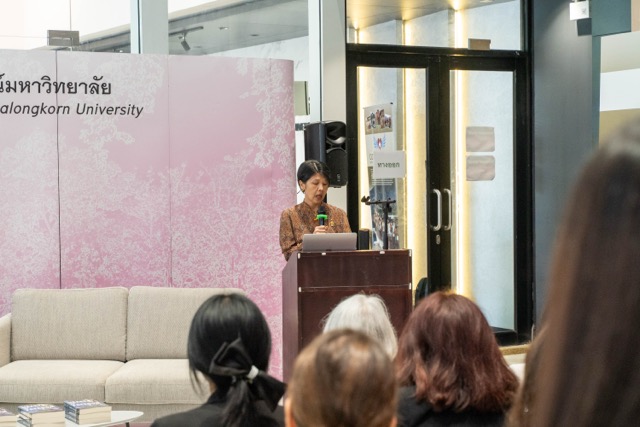
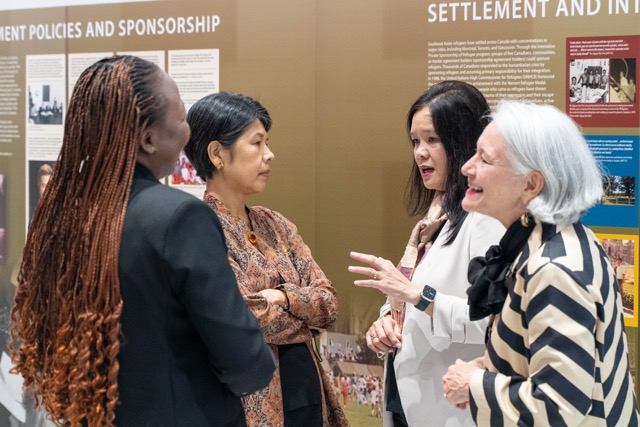
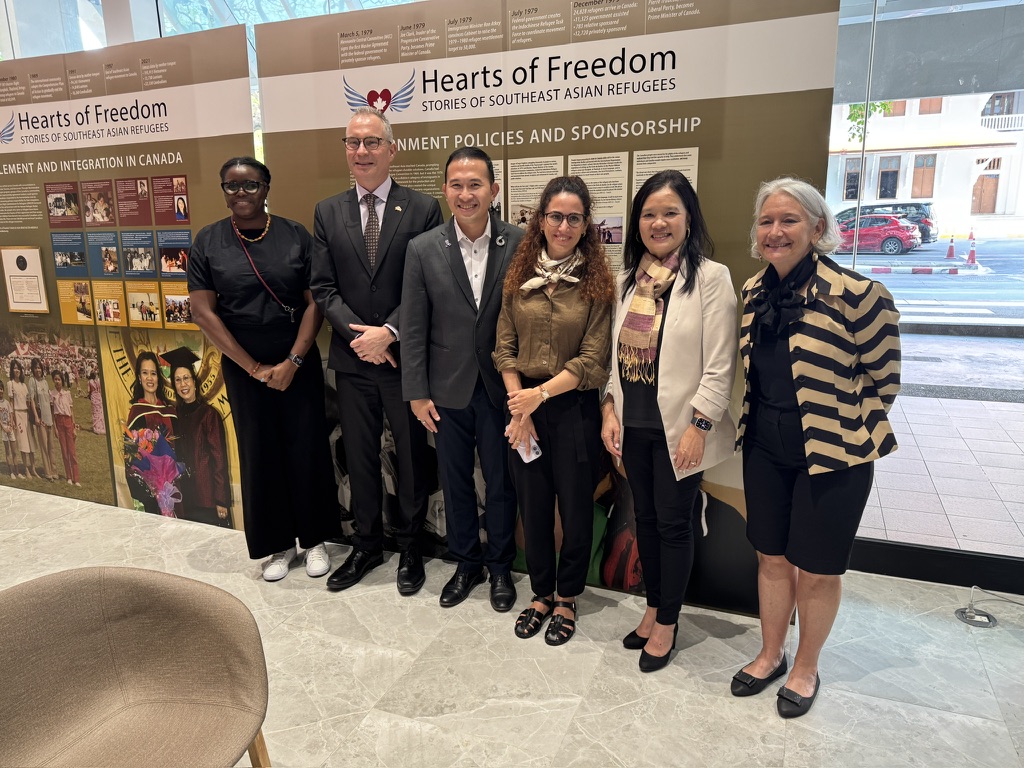
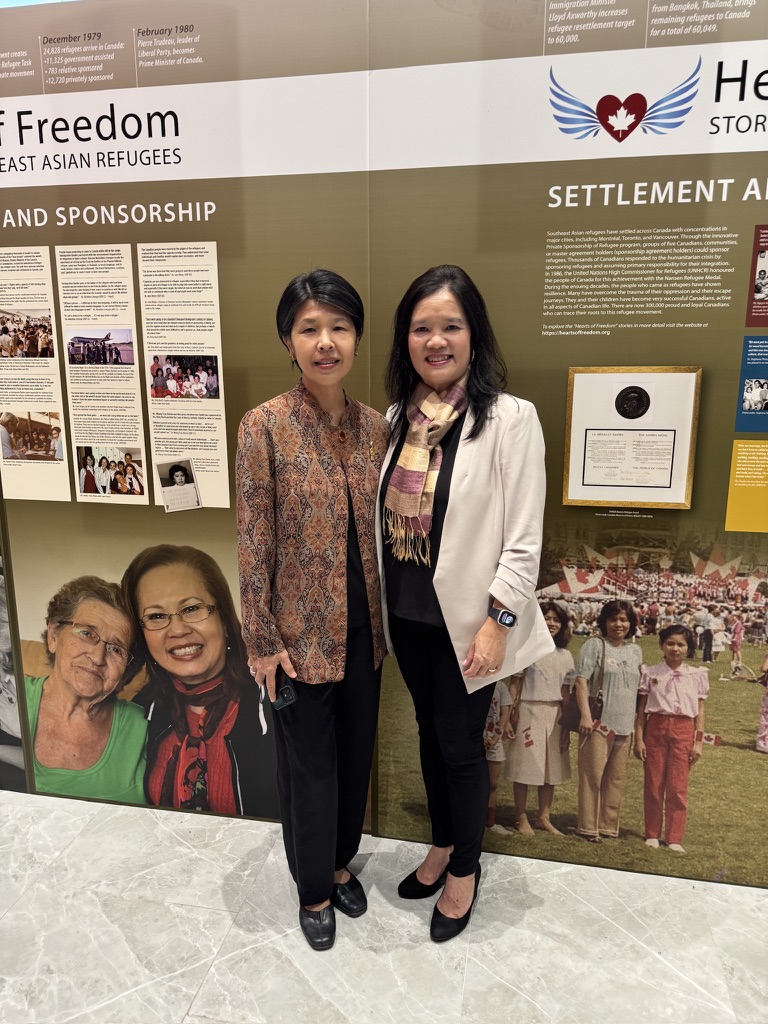
The Canadian Ambassador to Thailand, Ms. Ping Kitnikone, was very supportive and gave a wonderful introduction at the opening event. The Dean of Political Science, Dr. Siriprakob, and UNHCR’s country representative, Tammi Sharpe, also delivered excellent speeches.
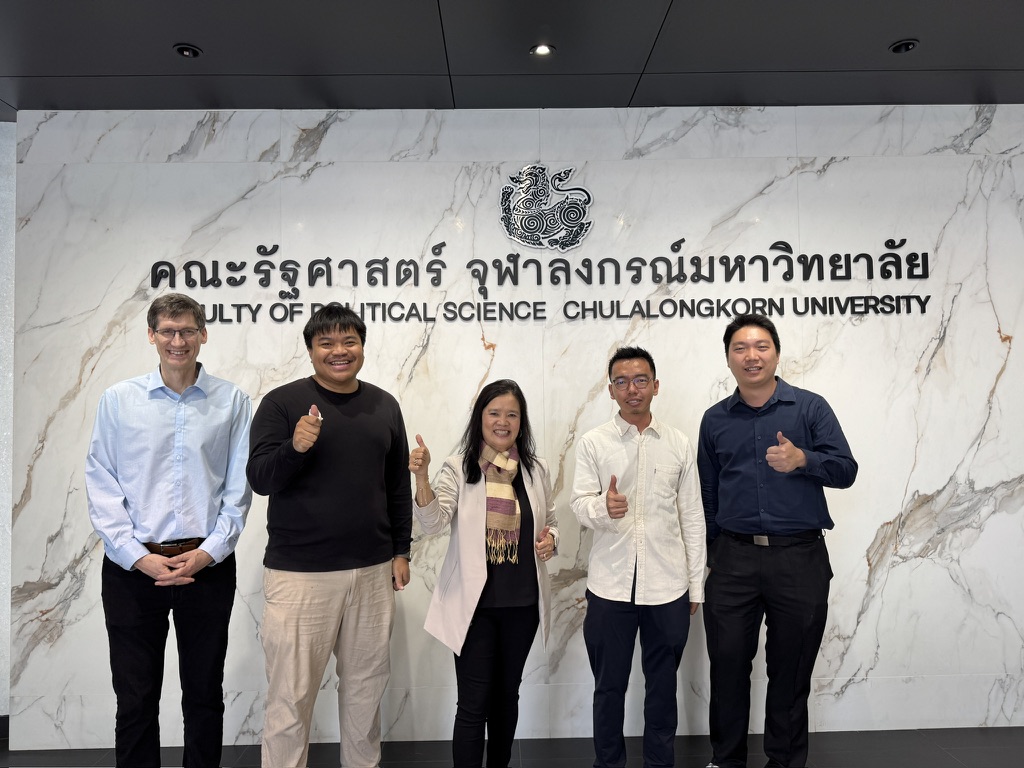
We were also supported by Dr. Jittiang from the Faculty of Political Science, Mr. Liam Kirkpatrick from the Canadian Embassy, and Imen Moncer from the UNHCR.
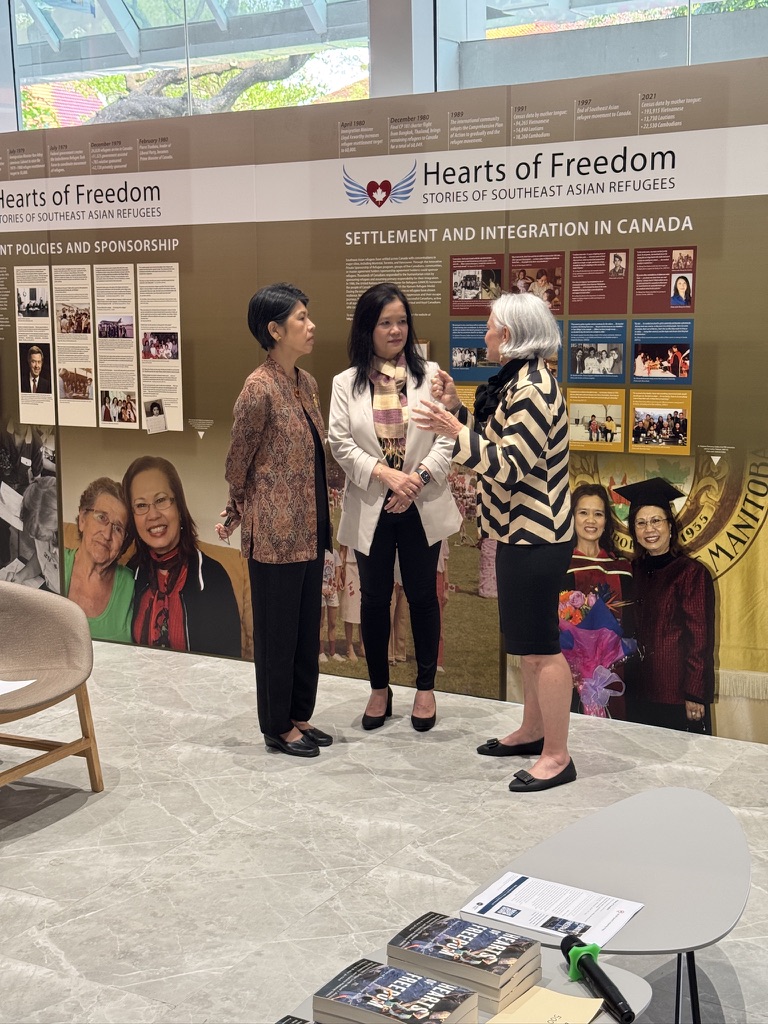
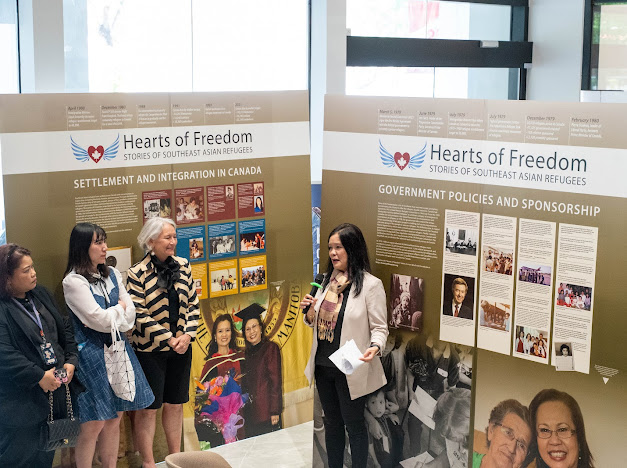
I introduced the Hearts of Freedom project and spoke of its various outcomes before facilitating the following activities:
A walk-through of the Hearts of Freedom exhibition and stories from each panel;
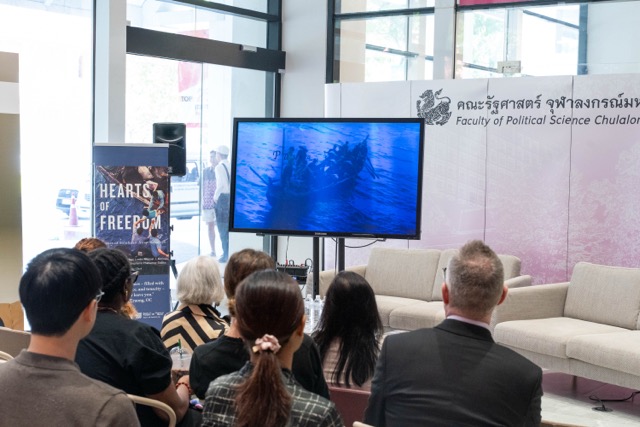
A viewing of the Zoom video recording that had Mike Molloy and me making a presentation about the development of Southeast Asian refugee resettlement programs as background to the book;
Readings from the Vietnamese, Cambodian, and Laotian chapters of the book; and
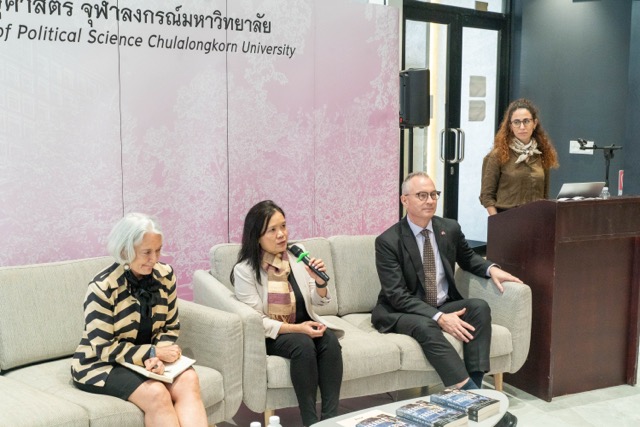
A question and answer session with me (in my capacity as the Hearts of Freedom researcher and exhibition curator), Tammi Sharpe (country representative, UNHCR) and Harold Wulf (IRCC, Canadian Embassy, Bangkok)
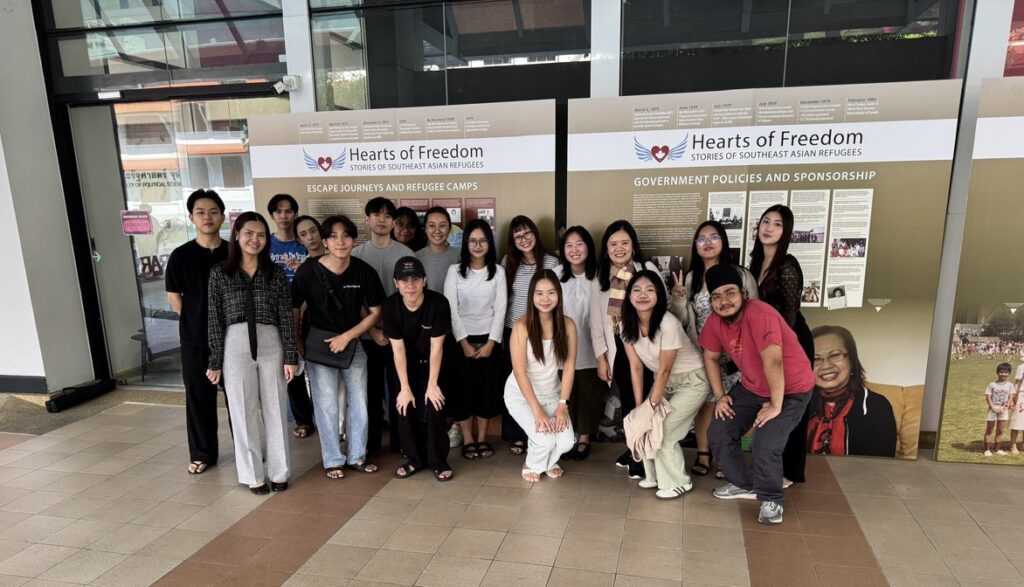
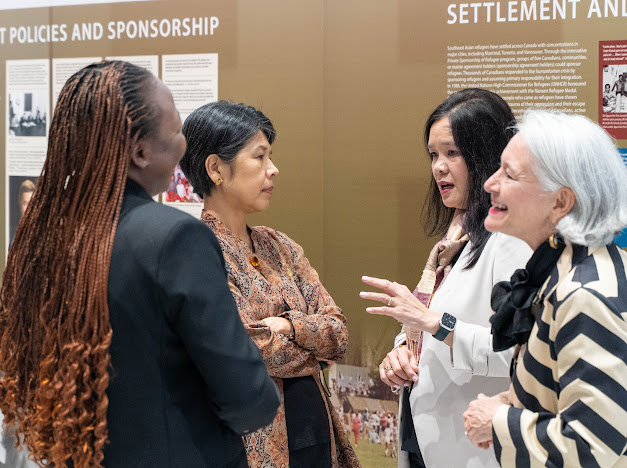
There were excellent discussions and questions in the question and answer session, as well as in the student session.
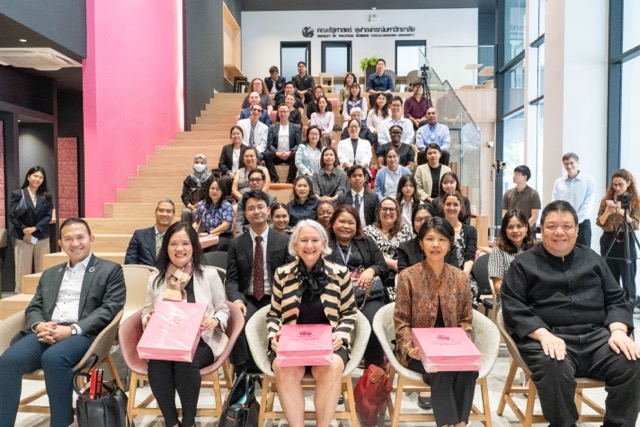
The audience was comprised of members of the broader diplomatic community (Australia, New Zealand, South Africa), UN agencies, government ministers, non governmental organizations, universities, faculty, and university students (from such faculties as political science, international relations, and anthropology).